How to Start a Vending Machine Business: A Complete Step-by-Step Guide for 2025
A step-by-step guide to launching a vending machine business in 2025, covering location scouting, licensing, machine selection, funding, and scaling.

Introduction
Starting a vending machine business can be a compelling way to build a semi-passive income stream with relatively low overhead compared to a traditional retail store. With advances in payment technology (cashless, remote monitoring) and changing consumer behavior, the vending industry in 2025 presents fresh opportunities. In this guide we'll walk through every major step — from idea to execution — so you know exactly how to start a vending machine business and set yourself up for success.
Understand the Vending Machine Business Model
What a vending machine business is
A vending machine business involves placing machines at strategic locations, stocking them with products (snacks, drinks, non-food items), and then collecting revenue as customers make purchases.
Why this business is still relevant in 2025
- The vending market continues to grow and evolve with new machine types and payment methods.
- Lower overhead than traditional retail: no full-time staff, often minimal rental cost for location.
- A good fit for part-time entrepreneurs or those looking to scale gradually.
Step-by-Step Plan to Launch Your Business
Step 1: Market Research & Locating Opportunity
- Identify high-traffic locations where people need quick access to products. Examples: office parks, hospitals, apartment complexes, laundry facilities.
- Analyse competition and gaps: Are existing machines outdated? Are desirable products missing?
- Understand consumer preferences in your region (healthy snacks, beverages, speciality items).
Step 2: Create a Business Plan
- Define your objectives, number of machines, revenue targets, cost structure.
- Include operations plan: How will you service the machines? How often will you restock? What payment systems?
- Financial projections: machine cost, inventory cost, maintenance, expected revenue.
Step 3: Choose the Right Type of Vending Machine
- Decide on machine type based on location and audience: snack & drink, healthy/organic, non-food (electronics, personal care).
- Consider machine features: cashless payments, remote monitoring systems, modern design.
- New vs used machines: trade-off between cost and reliability.
Step 4: Secure Funding & Budgeting
- Estimate startup costs: machines, inventory, transport, licensing. Some guides estimate minimum investment in low thousands.
- Explore funding options: personal savings, business loans, equipment financing.
Step 5: Obtain Licenses, Permits & Set Up Legal Structure
- Depending on location, you'll need business registration, vending business license, sales tax permit, possibly health/food permits.
- Choose appropriate business entity (LLC, sole proprietor) to protect yourself.
Step 6: Secure Locations & Placement Agreements
- Approach property owners/managers with a value proposition: your machine adds convenience for users/tenants.
- Negotiate placement: either revenue share, fixed rent, or free placement if machine is your cost and you run inventory.
- Location visibility and accessibility is key.
Step 7: Acquire Machines & Install
- Purchase or lease machines. Ensure machine fits your product mix and has required features (payment system, remote monitoring).
- Installation: power supply, location alignment, security, signage.
- Test the machine fully before opening to users.
Step 8: Stocking Products & Pricing Strategy
- Choose popular and relevant products for your target location. Consider product cost, shelf-life, pricing mark-up.
- Use inventory management: monitor what sells, what doesn't, rotate stock accordingly.
- Optimize pricing: consider cost, location demographics, competitor pricing.
Step 9: Operations, Maintenance & Customer Service
- Regular maintenance (cleaning, servicing machines) ensures uptime and customer satisfaction.
- Monitor cashless payments, resolve machine errors, perform restocks on schedule.
- Use data/analytics (if your machine supports it) to track performance and refine.
Step 10: Scale & Grow Your Vending Business
- Once your first machines perform well, reinvest to add more machines in new locations.
- Diversify product offerings and machine types.
- Use automation (software, remote monitoring) to scale efficiently.
Key Metrics & What to Expect
- Profit margins: Some sources suggest net profit margins of ~20-25% depending on location and product mix.
- Revenue per machine varies widely based on location, traffic, product type.
- Important metrics: sales per machine, cost of goods sold (COGS), inventory shrink/waste, machine downtime, placement cost/rental.
Common Challenges & How to Overcome Them
- Location risk: a poor location can kill profitability. Do due diligence.
- Machine downtime/maintenance: ensure you have a plan for servicing and quick repairs.
- Product mix and inventory waste: monitor sales and adjust products; don't overstock slow-moving items.
- Competition: stand out via better product selection, machine convenience (card payments), attractive design.
- Cash flow and upfront investment: although vending can be low overhead, startup costs still exist and returns aren't instant.
2025 Trends in Vending You Should Know
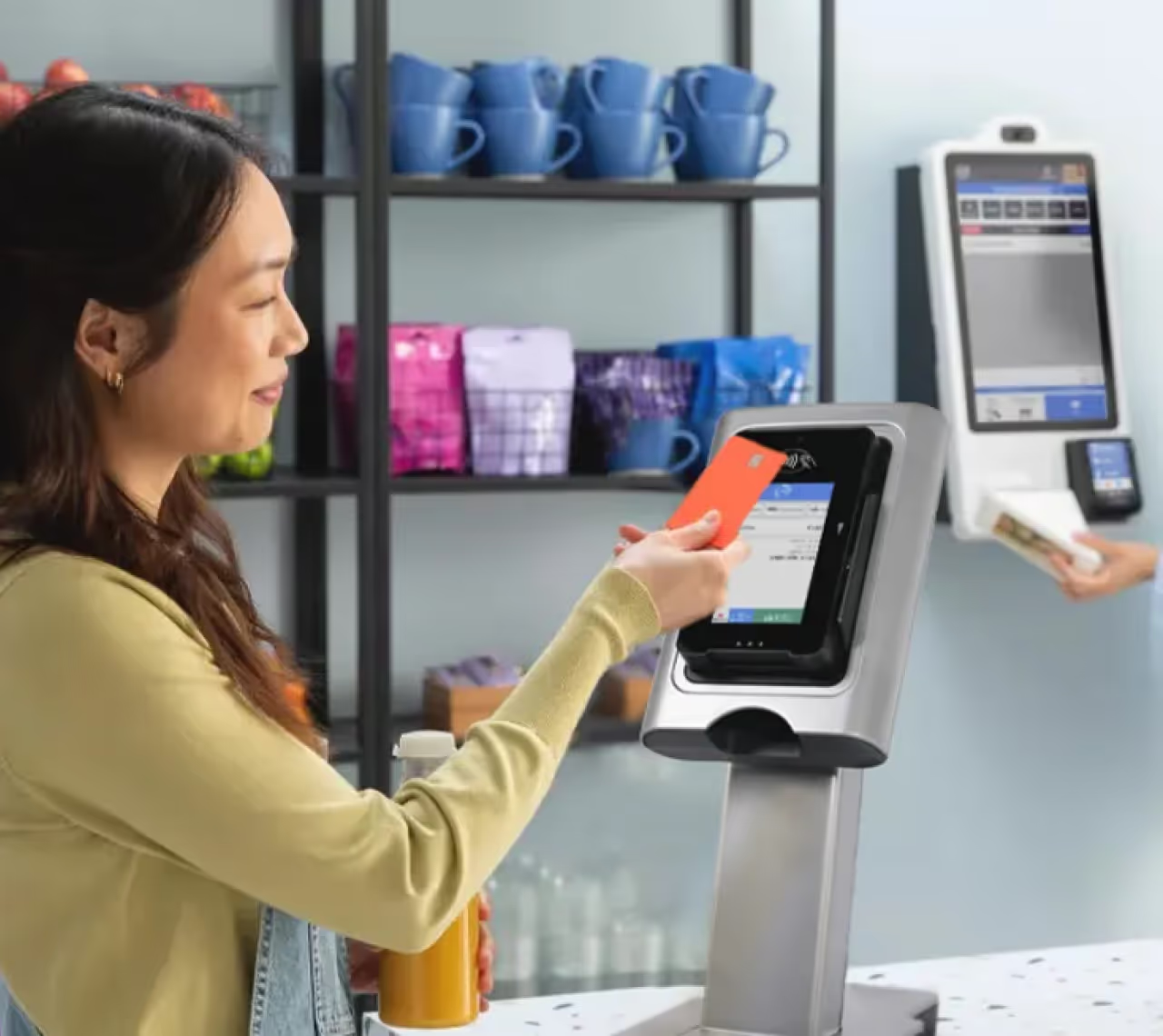
- Contactless and mobile wallet payments becoming standard; essential for modern machines.
- Healthy snacks, fresh items, and non-traditional vending (electronics, personal care) gaining ground.
- Remote monitoring, IoT and smart machines make management easier and efficiencies higher.
- Location types expanding: beyond offices to apartments, airports, shared-spaces, gyms.
Your Checklist: Launching Your Vending Machine Business
- Conduct market research and choose target location(s)
- Create business plan with financial projections
- Decide machine type(s) and features
- Secure funding or define budget
- Register business, obtain required licenses/permits
- Secure placement agreements with property owners
- Purchase/lease vending machine(s) and install
- Stock products and set pricing
- Establish maintenance/restocking schedule
- Monitor performance, refine product mix
- Scale by adding more machines and locations
Conclusion
Starting a vending machine business in 2025 is entirely feasible — especially if you approach it with structured planning, choose the right locations, stay on top of operations, and leverage modern machine features. By following this step-by-step guide and staying attuned to trends, you'll give yourself a strong foundation to build and scale. If you're ready to get started, take action now: research your market, secure your first location, and launch your first machine(s). The sooner you begin, the sooner you'll be on your way to owning a profitable vending business.